

Campus guide · IIT Kharagpur · West Bengal
IIT Kharagpur's campus spreads over 2,100 acres, a self-contained township of more than 15,000 people, and it began inside a British-era detention camp. It was the first IIT, founded in 1950 at Hijli. Today it has 26 halls of residence, some of them bigger than small colleges, and a Diwali tradition called Illumination that draws visitors from town. This is the sourced guide to its size, halls, history and how to get there.
How big is the IIT Kharagpur campus?
The institute describes "the vast tree-laden campus, spreading over 2100 acres", with "a self contained township of over 15,000 inhabitants" (IIT Kharagpur about). That makes it far larger than IIT Bombay (200 hectares, about 494 acres) or IIT Delhi (325 acres).
| Fact | Detail | Source |
|---|---|---|
| Campus area | 2,100 acres | IIT Kharagpur about |
| Founded | May 1950 at Hijli; inaugurated 18 August 1951 | IIT Kharagpur about |
| Distance from Kolkata | About 120 km; about 2 hours by train from Howrah | How to reach |
| From Kharagpur station | About 5 km, a 10-minute drive | How to reach |
| Halls of residence | 26, for about 16,500 students | IIT Kharagpur HMC guidelines, Sep 2024 |
| Residence | Fully residential; all registered students live in a hall | IIT Kharagpur HMC guidelines, Sep 2024 |
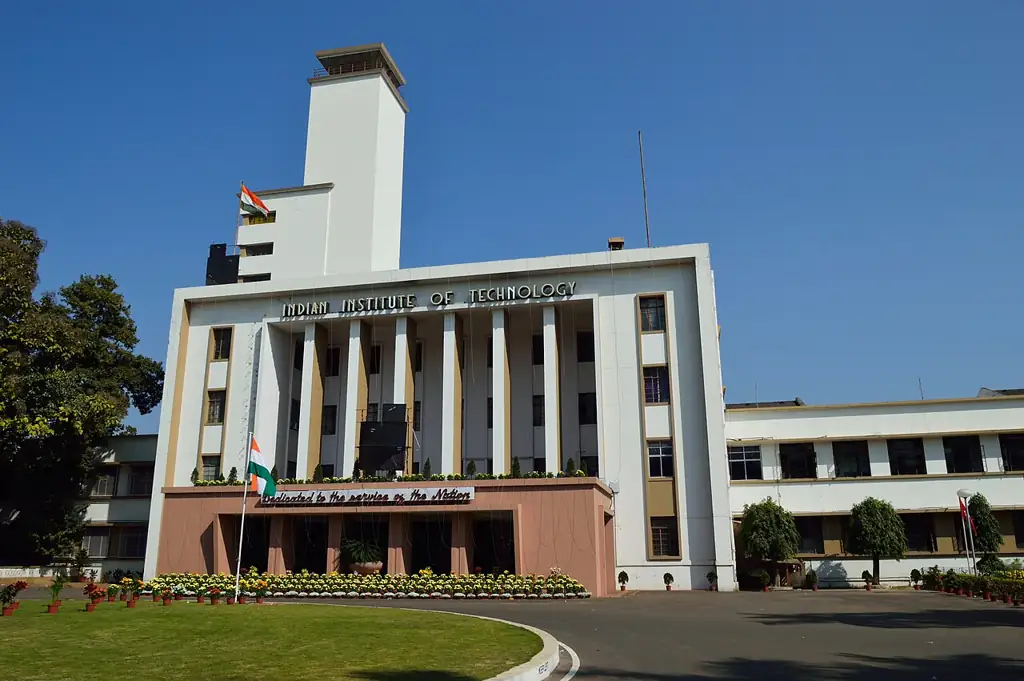

An IIT that started in a prison
"IIT Kharagpur started its journey in the old Hijli Detention Camp where some of our great freedom fighters toiled and sacrificed their lives for the independence of our country ... This is possibly one of the very few Institutions all over the world which started life in a prison house" (IIT Kharagpur about). It began at 5 Esplanade East in Calcutta and moved to Hijli in September 1950. When the first session opened in August 1951 there were 224 freshers and 42 teachers, with classrooms in the old camp building. Nehru laid the foundation stone of the present Main Building in 1952, and the campus was planned under the Swiss architect Werner M. Moser.
The camp building still stands. Its ground floor became the Nehru Museum of Science and Technology in 1990, and the building, renamed Shaheed Bhavan, opened to the public in 1997 (Mint). During the Second World War the site also served as an American air base, from 1943 to 1945 (The Hindu).
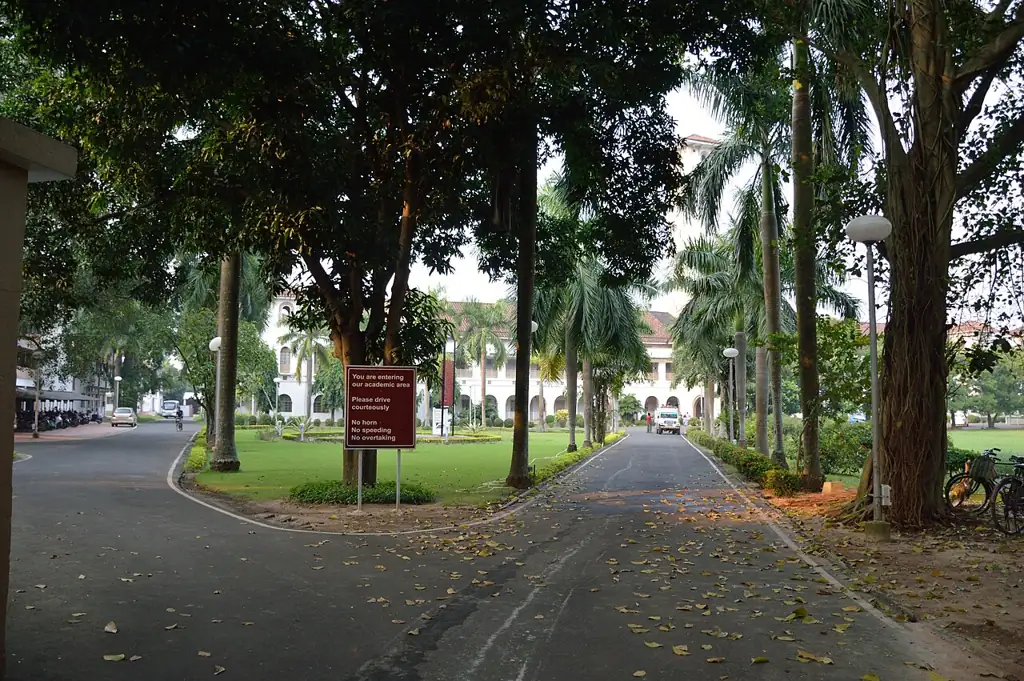

Getting to IIT Kharagpur
"Situated about 120 km west of Kolkata, Kharagpur is well connected to Kolkata by Road and Rail transport. Kharagpur can be reached in about 2 hours by train or 3 hours by car from Howrah railway station of Kolkata. ... The Institute is about 10 minutes drive (5 km) from the Kharagpur railway station" (IIT Kharagpur how to reach). Kolkata airport is about 140 km away, roughly 2.5 hours by road. Kharagpur station is famous for one of the longest railway platforms in the world.

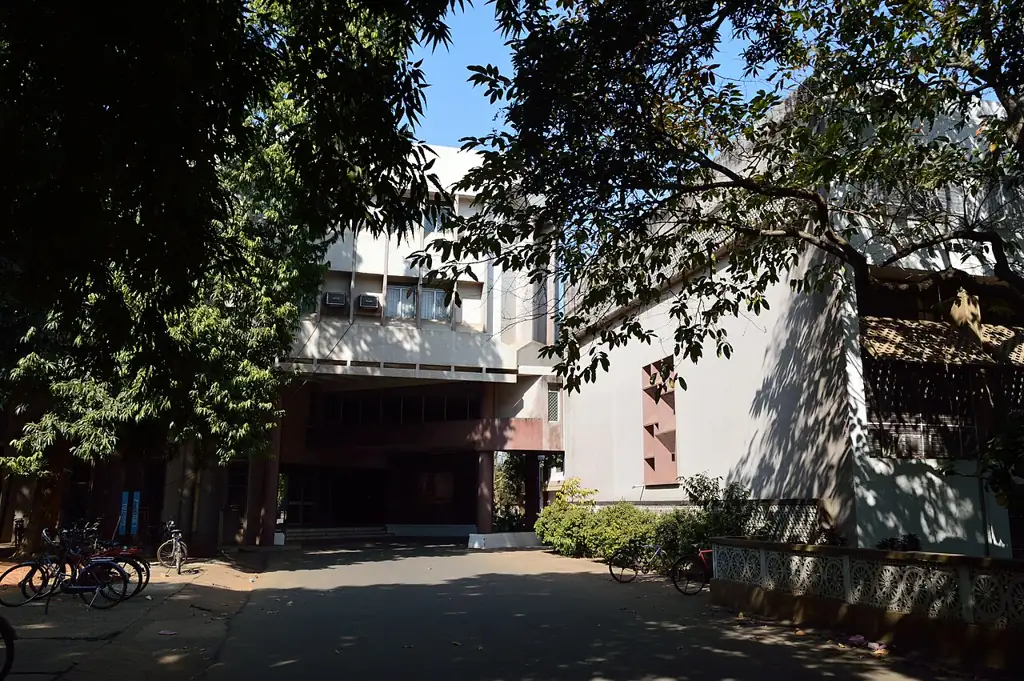
IIT Kharagpur halls of residence
Residence is not optional: "The Institute is fully residential in nature, and all registered students shall be required to reside in and be regular members of one of the Halls of Residence", and the mess is compulsory too (IIT Kharagpur HMC guidelines, Sep 2024). The same guidelines list "presently 26" halls for around 16,500 students. Some are enormous:
| Hall | Boarder capacity |
|---|---|
| Madan Mohan Malviya (MMM) | 2,010 |
| Lalbahadur Sastry (LBS) | 1,977 |
| B R Ambedkar (BRH) | 1,612 |
| Rajendra Prasad (RP) | 834 |
| Sister Nivedita | 818 |
| Azad | 729 |
| Radha Krishnan (RK) | 638 |
| Atal Bihari Vajpayee (Block 1) | 500 |
| Savitribai Phule (Blocks 1 and 2) | 500 each |
Selected halls from the capacity table in the IIT Kharagpur HMC guidelines, Sep 2024. The full list also includes Patel, Nehru, Lala Lajpat Rai, Megnad Saha, Mother Teresa, Rani Laxmibai, Sarojini Naidu and Indira Gandhi, Vidyasagar, Homi J Bhabha, J C Bose, B C Roy, Gokhale, Sir Ashutosh Mukherjee, Zakir Hussain and the Vikram Sarabhai Residential Complex.
The newest are the two Savitribai Phule halls for women and the Atal Bihari Vajpayee hall for men, 500 beds each, opened in February 2024 (The Telegraph). Kharagpur's halls also ban air conditioners and coolers in rooms; see our IIT hostel guide for fees and rules.
Illumination: the hall tradition
Halls compete in inter-hall events, "foremost among which are Illumination, Rangoli and Garden competitions" (IIT Kharagpur HMC). Illumination, or "Illu", happens at Diwali: each hall builds a frame of earthen diyas that can be "15 feet to 20 feet high and almost 100 feet long", and the campus gates open so people from Kharagpur town can see them (The Hindu, 2019).
"When the judges had arrived, it was pin drop silence and the air was filled with such tension..i had never seen before..most of the dias are lit. Then the judges left. The whole hall erupted in cheers" (r/iitkgp)
Not every student loves it. A recurring complaint on r/iitkgp is that juniors are pushed into weeks of hall labour: "Please stop perpetuating forced labour in the name of culture." (r/iitkgp).
Places worth knowing
- Main Building, the institute's administrative heart.
- Hijli Shaheed Bhavan and the Nehru Museum, in the old camp building.
- Central Library.
- The Vikramshila lecture complex, part of the Srinivasa Ramanujan Complex.
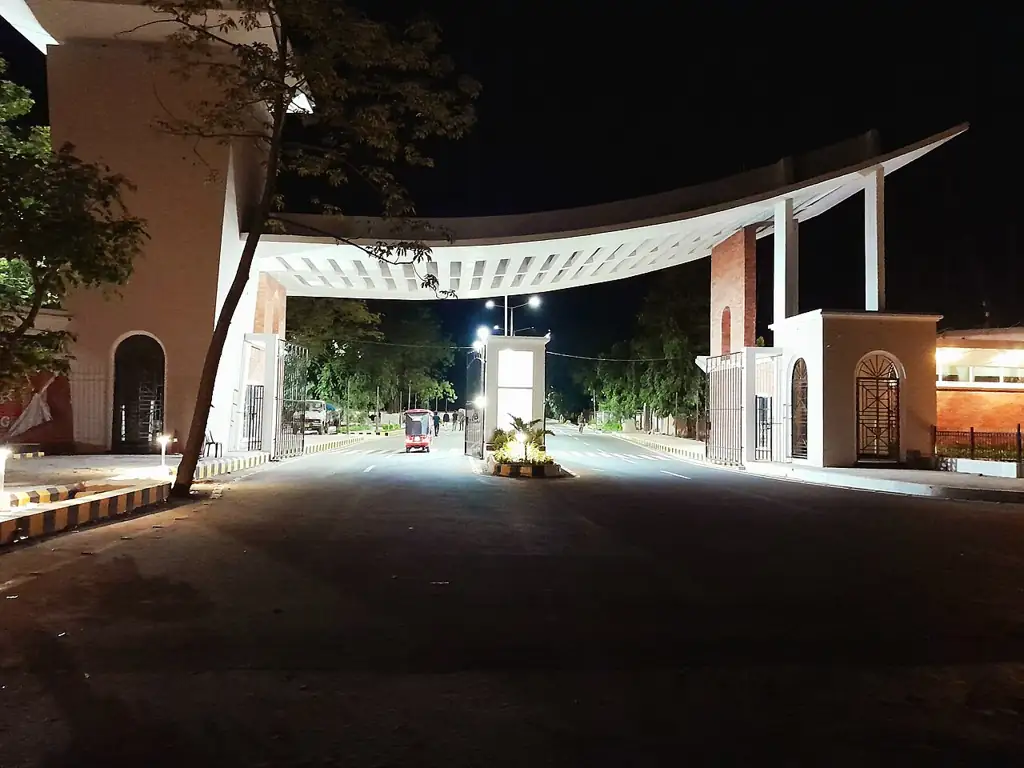
- Puri Gate, the main entrance.

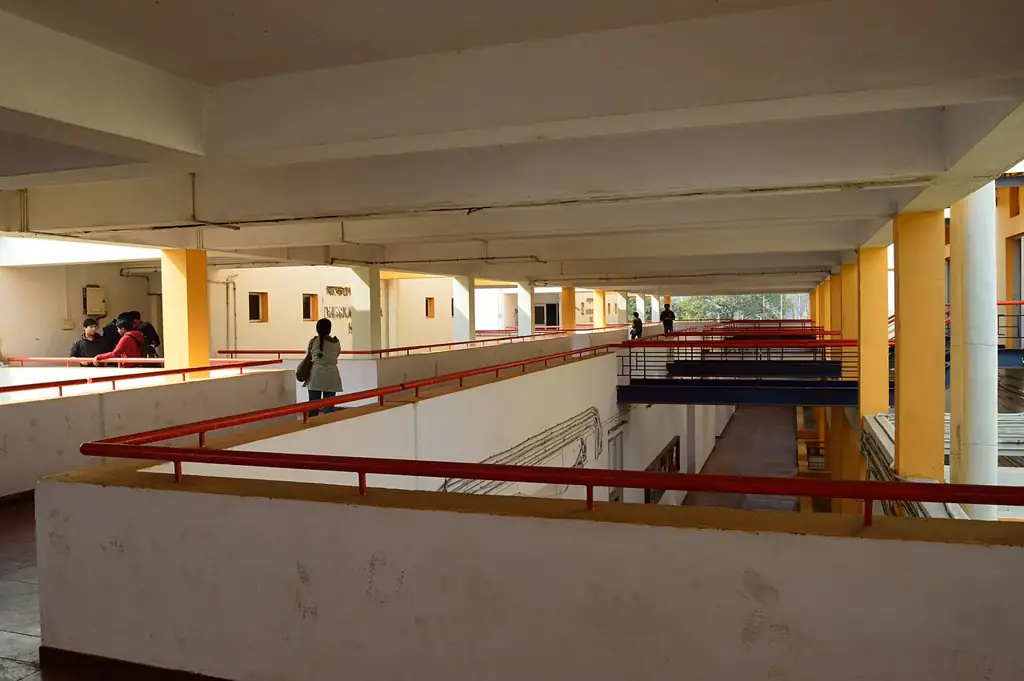

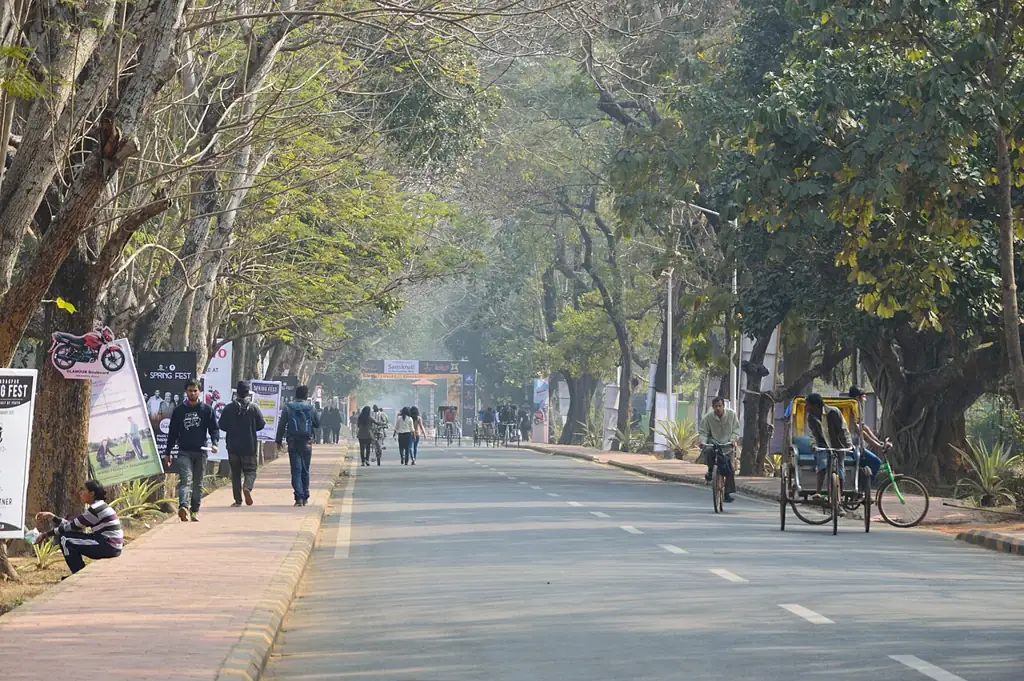

One student captures the scale after dark: "I went cycling around the campus around 12:30am entire journey i found hardly 3 people excluding the guards." (r/iitkgp)
More on IIT Kharagpur: placements 2025-26 and Sundar Pichai's years in Nehru Hall.
From IIT Kharagpur? Rep your campus with IIT Kharagpur merchandise: hoodies, tees, varsity jackets and mugs, shipped across India.
By Arun Raghav S · Co-founder, IITian Vibes · Facts retrieved 30 September 2026 from the linked institute pages. Photos from Wikimedia Commons under the licences shown. Corrections to hello@iitianvibes.com.